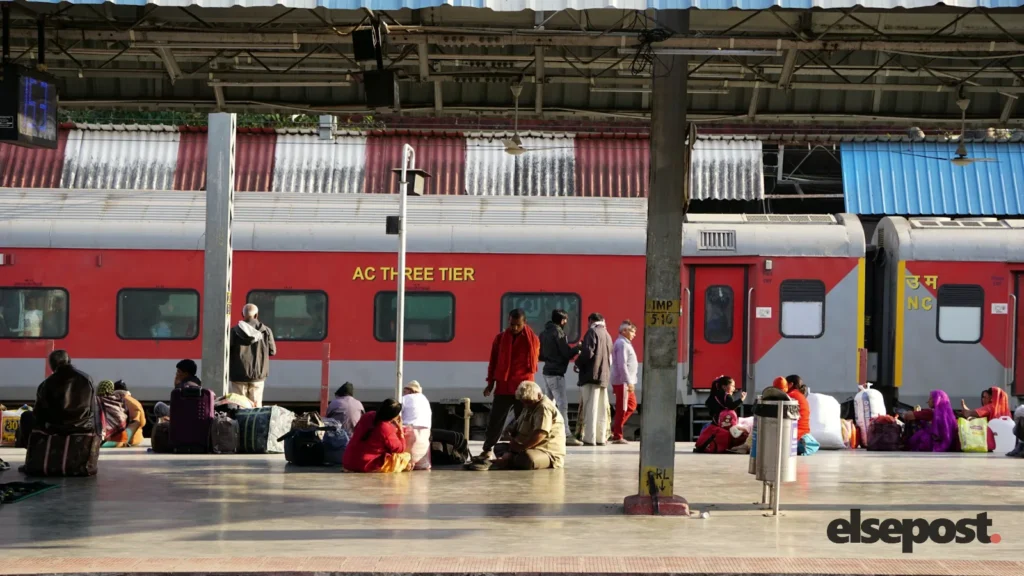
Tatkal ticket booking opens one day before your journey, at 10 am for AC classes and 11 am for Sleeper and Second Sitting. It is meant for last minute travel, so seats go within minutes on busy routes. Knowing the rules before you log in saves time and money.
Quick answer
- AC classes: booking opens at 10 am, one day before the journey.
- Sleeper and Second Sitting: opens at 11 am, one day before.
- Maximum 4 passengers on one PNR.
- Online booking needs an Aadhaar authenticated IRCTC account, plus an OTP.
- Confirmed Tatkal tickets are generally not refundable.
Tatkal ticket booking timings
The window opens a day before the date of departure, counted from the train’s starting station. The timings are the same on the IRCTC website and app. AC classes include 1A, 2A, 3A, 3E and Chair Car, according to this Tatkal booking guide.
Authorised agents cannot book Tatkal in the first 30 minutes. That means 10:00 to 10:30 am for AC and 11:00 to 11:30 am for non-AC, as per Deccan Herald.
Tatkal charges by class
Tatkal adds a charge on top of the base fare. The guide lists the following, and GST may apply on top.
| Class | Charge | Minimum (₹) | Maximum (₹) |
|---|---|---|---|
| Second Sitting | 10% | 10 | 15 |
| Sleeper | 30% | 100 | 200 |
| Chair Car | 30% | 125 | 225 |
| AC 3 Tier / 3E | 30% | 300 | 400 |
| AC 2 Tier / 1A | 30% | 400 | 500 |
Some trains also use Premium Tatkal, where the fare rises with demand. Always check the final amount on the payment page before you confirm.
Aadhaar and OTP rules
From 1 July 2025, only Aadhaar authenticated users can book Tatkal tickets online. From 15 July 2025, an OTP sent to the mobile number is also required. Counter and agent bookings need OTP verification as well. Travellers without Aadhaar authentication can still book at a PRS counter or through an agent, with the OTP step.
So link and verify your Aadhaar on your IRCTC profile well before the day. Doing it at 9:55 am is too late.
Refund and cancellation limits
Confirmed Tatkal tickets are generally not refunded on cancellation. However, refunds can apply if the railways cancels the train or changes its route. Waitlisted Tatkal tickets can be cancelled with a deduction, and the exact amount is on the IRCTC refund page. For general rules, read our guide to IRCTC cancellation charges and refunds.
A simple checklist to book faster
- Save passenger names, ages and ID details in your master list the night before.
- Confirm your Aadhaar authentication and mobile number on the IRCTC profile.
- Log in five minutes early, and keep your UPI app or card ready.
- Pick the class and train first, then fill passengers, then pay.
- Carry the original photo ID. Aadhaar, Voter ID, Passport, Driving Licence, PAN card and DigiLocker are accepted, as the guide lists.
Why Tatkal seats vanish so fast
Tatkal seats are a small share of a train and thousands of people log in at the same minute. So speed matters less than preparation. Fill passenger details from a saved list, keep your payment method ready, and avoid refreshing the page repeatedly.
What to do if you miss out
If Tatkal is sold out, try a nearby train on the same route, a different class or a regular waitlisted ticket. A waitlisted regular ticket can still confirm. Meanwhile, check seat availability again after a few hours, because cancellations free up berths.
Common mistakes
The first mistake is opening the booking at the wrong time, for example 10 am for a Sleeper ticket. Another is paying through a slow method. Also, many people choose a train without checking the class timing first, so they sit idle at the wrong hour.
Finally, remember insurance is optional. Our note on optional rail insurance at counters explains the 45 paise cover.
FAQ
What is the Tatkal booking time for AC and Sleeper?
AC classes open at 10 am and Sleeper at 11 am, one day before the journey. Second Sitting also opens at 11 am.
How much is the Tatkal charge?
It is 30% of the base fare for most classes, subject to minimum and maximum limits. Second Sitting is 10%.
Can I cancel a confirmed Tatkal ticket for a refund?
Generally no. Refunds apply mainly when the railways cancel or reroute the train.