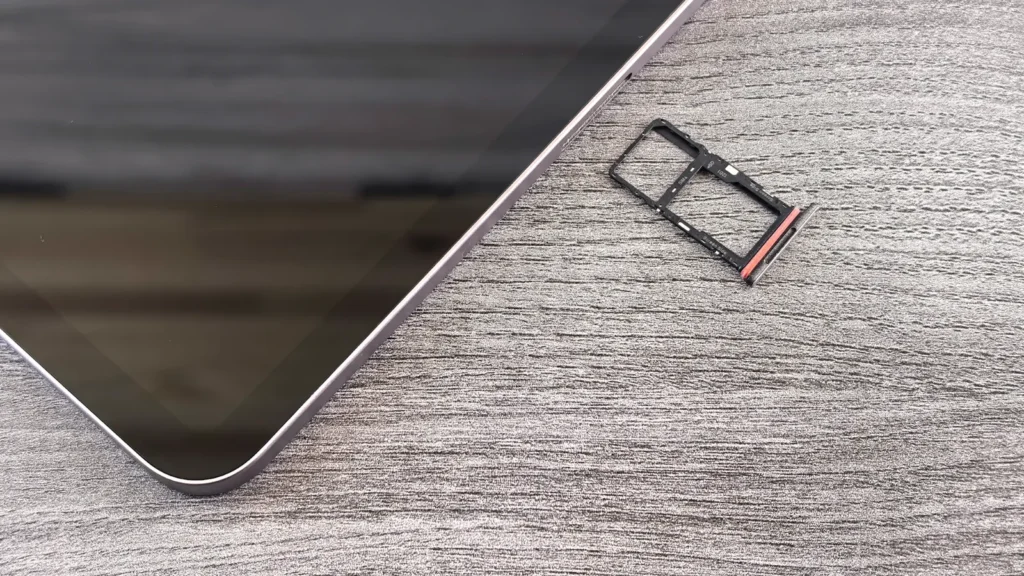
This was a week of rules more than gadgets. Several changes that will shape how you use your phone in India moved from paper to the calendar, with firm dates attached. Here is what happened, and what it means for you.
SIM binding for messaging apps gets a date
Messaging apps that use your Indian mobile number, including WhatsApp, Telegram and Signal, are expected to work only while the registered SIM is inside the phone from 1 January 2027, according to reports this week. Platforms have until 31 December 2026 to build this in, under directions the Department of Telecommunications first issued in late 2025 to curb fraud that relies on numbers used without an active SIM. If you use WhatsApp on a phone without your SIM, or swap SIMs often, this is the change to plan for. Our full explainer covers what is known so far.
Voice and SMS only packs are now mandatory
TRAI’s Telecom Consumers Protection (Thirteenth Amendment) Regulations, 2026, notified on 21 September, require operators to offer vouchers that cover only calls and texts, at a lower price than bundled packs. The rules came into effect this week, and include 30 day packs as well as ones that renew on the same date each month. This helps most if you keep a second SIM just for calls, or have older family members who rarely use data. Read our report.
India opens a sandbox for telecom experiments
The government notified the Telecommunications (Regulatory Sandbox) Rules, 2026 on 21 October. Companies, startups, research institutions and even individual citizens can now apply to test new telecom products and services under relaxed conditions for up to 24 months. People who take part in a trial must give consent and cannot be charged. Over time, this could help homegrown network ideas reach the market faster. More on the rules.
A target date for an Indian phone brand
Electronics and IT Minister Ashwini Vaishnaw set October 2028 as the goal for a phone that is designed, made and branded in India. Speaking on 23 October, he pointed to progress in local circuit board design and told the audience, “Please note it: 23 October 2028.” India already assembles most of the phones it sells, so the real test is whether design and key components can be built at home. Our story.
A critical PHP flaw needs patching now
Two serious vulnerabilities in PHP, nicknamed php2shell, were disclosed on 21 October. They can let an attacker run code on a web server without logging in, and security firms report that attacks are already under way. PHP versions 8.2.35, 8.3.36, 8.4.27 and 8.5.12 fix them. PHP runs WordPress and many other popular website tools, so if you have a site, check with your hosting provider today. What website owners should do.
eMudhra steps back from web certificates
Indian digital trust company eMudhra said on 22 October that it will leave the global SSL/TLS certificate business, which provides the certificates behind the padlock in your browser, after a recent incident involving some of its certificate authorities. Its digital signature and eSign services are not affected. Businesses using its web certificates should expect free replacements through partners, and should keep current certificates in place until the switch is complete. Read more.
The one to watch
SIM binding. Just over two months remain before the deadline, and important questions are still open: how eSIMs will be treated, how desktop and web versions of these apps will behave, and whether every platform will comply in time. Look out for guidance from the apps themselves through November and December, and keep your registered SIM handy.
Sources
- Inc42: SIM binding mandate to take effect from 1 January
- All India Radio News: DoT mandates SIM binding for messaging apps
- TRAI: Telecom Consumers Protection (Thirteenth Amendment) Regulations, 2026
- The Week: Voice and SMS only plans come into effect
- Communications Today: Government notifies telecom sandbox rules
- The Tribune: India to have its own branded phone by October 2028
- Tenable: php2shell frequently asked questions
- eMudhra: Press release on exiting the SSL/TLS business