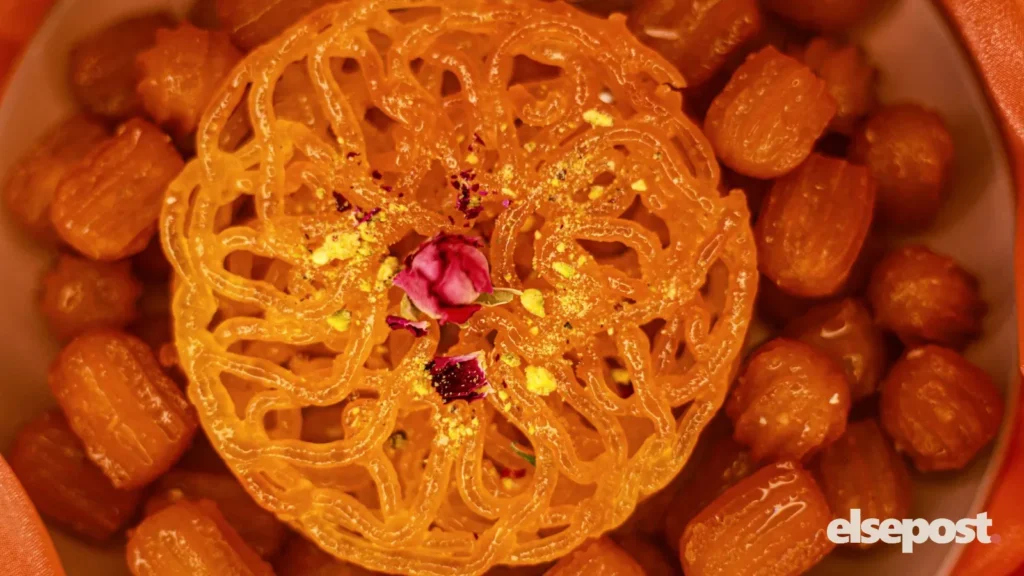
The loose sweets best before date rule means every tray or container of unpacked mithai should show when it was made and when it is best eaten. FSSAI made this compulsory from 1 June 2020 after complaints about stale sweets. With Diwali gifting season here, it is a useful habit to check the tray before you pay.
Quick answer
- Loose sweets must show a date of manufacturing and a best before date on the container or tray.
- Packed sweets carry these dates on the label under the 2011 packaging and labelling rules.
- Look for the shop’s FSSAI licence or registration details.
- Keep your receipt and take photos if you want to complain.
What the loose sweets best before date rule says
FSSAI’s order covers sweets sold loose, not in sealed packs. The container or tray at the point of sale should display the date of manufacturing and the best before date. Sweet shops, food businesses that make sweets and state food safety departments were all told to comply.
Prepackaged sweets already needed these dates on the label under the Food Safety and Standards Packaging and Labelling Regulations, 2011. So the order closed a gap for the open trays on the counter.
The Better India summarises the same order with extra duties for shops. They should state whether oil, ghee or vanaspati is used, avoid non-permitted colours and oils, test samples at notified labs, and display their licence or registration. The best before period itself depends on the product and local conditions, so there is no single number for every sweet.
Six checks before you buy a sweet box
Business Today lists six label checks for festive boxes. They work for loose sweets too, as long as the shop gives you the information.
- Read the date type. Best before, use by and expiry mean different things, so read the exact wording.
- Check the remaining shelf life. If you buy well before the festival, look closely at how long the box will last.
- Find the licence. Look for FSSAI licence or registration details, and verify them in the Food Safety Connect app.
- Ask about ingredients. Milk and nuts matter most for allergies. For loose sweets, ask the seller what each item contains.
- Note storage advice. If the box needs refrigeration, pass that instruction on to the person you gift it to.
- Keep proof. Save the receipt, the seller details and photos of the label and batch number.
Use your senses too
Dates help, but they do not replace a quick check. The Better India advises tasting and smelling the sweet. It should not taste sour or smell foul.
Also, packed sweets with a manufacturing date and a best before date are a safer choice than unmarked trays. However, no label can promise a sweet is fresh if it was stored badly. So buy from busy shops with good turnover, and eat soon after buying.
What to do if something seems wrong
First, stop eating it and keep the packaging, the receipt and any photos. Then use the Food Safety Connect app, which Business Today says lets you verify a business and file and track food related grievances. Meanwhile, tell the shop, because a clear complaint often gets a faster reply.
If a shop shows no dates at all on loose sweets, that is worth noting. The rule asks for them on the tray, so you can ask the staff to show the dates before you buy.
FAQ
Is a loose sweets best before date compulsory in India?
Yes. FSSAI’s order, effective 1 June 2020, requires the date of manufacturing and the best before date on the container or tray of loose sweets.
How can I check if a sweet shop is licensed?
Look for the FSSAI licence or registration details displayed by the shop. You can verify business details in the Food Safety Connect app.
Where do I complain about stale sweets?
Use the Food Safety Connect app to file and track a grievance. Keep your receipt and photos of the tray or label as proof.
Related on Elsepost
- Silver Hallmark Explained: What to Check Before Dhanteras
- Clean Brass Puja Items Before Diwali: A Safe, Simple Guide