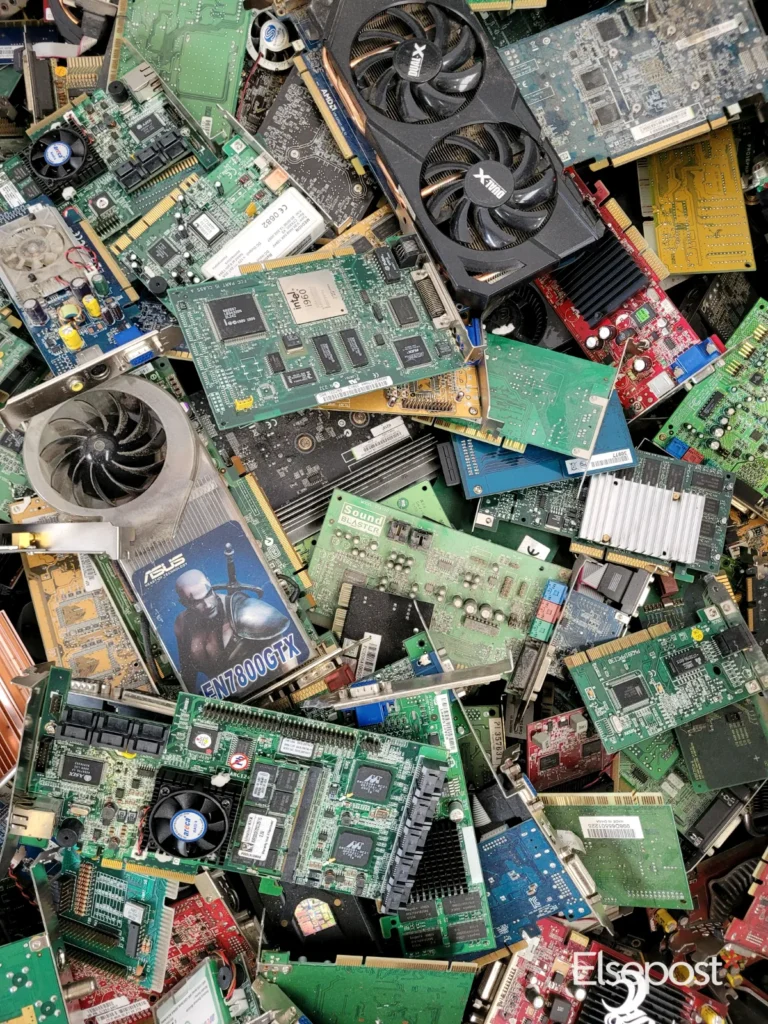
E-waste disposal in India is governed by the E-Waste (Management) Rules, 2022, which the environment ministry notified on 2 November 2022. They took effect on 1 April 2023, according to an IMPRI analysis. The rules make the companies that sell electronics responsible for what happens to those products after use.
For a household, this means an old phone, charger or laptop should not go in the dustbin. Most homes hold a drawer of dead gadgets. This guide explains the safer options and the ones to avoid.
Quick answer
- Best options: Authorised recyclers, certified collection points and producer take-back.
- Still works: Sell, give away or hand it to a certified refurbisher.
- Avoid: Household bins, dumping and informal collectors without safety gear.
- The rule: Producers carry responsibility for collection and safe handling under the 2022 rules.
What the 2022 rules say
The framework is called Extended Producer Responsibility, or EPR. Under it, producers must make sure that e-waste from their products is collected and handled in an environmentally sound way. The 2022 rules kept this core idea from the 2016 rules.
Manufacturers, producers, refurbishers and recyclers must register on the Central Pollution Control Board portal. The IMPRI analysis says unregistered entities cannot legally operate or deal with registered ones. It also notes that CPCB had registered or authorised 472 dismantlers and recyclers across 22 states as of 2022.
Your options for e-waste disposal
The disposal guide from Agile Regulatory lists four routes. Each one suits a different situation.
Certified collection points
You can drop old electronics at a government authorised centre. The centre is expected to pass items to a licensed dismantler. Some local bodies have set up designated spots, so check your city’s civic body for the nearest one.
Producer take-back
Manufacturers must run certified take-back schemes. When you buy a new product, the brand should help you recycle the old one. Before you buy, you can ask whether the brand meets its EPR duties.
Authorised recyclers
Licensed plants dismantle devices safely and recover materials such as metals. The guide warns that informal handling carries the greatest health exposure. Ask any recycler for proof of registration before you hand over items.
Reuse, resale or donation
If the device still works, sell it or give it away. The guide suggests using a certified refurbisher so the device finds a new user. This keeps the device in use longer and cuts waste.
What not to do
Do not put e-waste in household trash. Do not dump it carelessly. The guide says toxic elements such as mercury, lead and cadmium can seep into the ground and reach drinking water. Also avoid giving devices to informal collectors who sort through waste without safety gear.
Before you hand over a phone or laptop
The sources do not cover data wiping, so treat this as general practice. Back up what you need, sign out of your accounts and reset the device to factory settings. Remove memory cards and SIM cards. If you are unsure, ask the collection point or recycler how it handles data.
A simple plan for the drawer of old gadgets
Start by sorting devices into working and dead. Sell or donate the working ones. For the rest, find the nearest authorised recycler or the take-back option from the brand. Keep any receipt or acknowledgement you are given.
The same habit helps when you buy new items. Check marks and certifications before you pay, as in our guide to the BIS Care app and ISI mark. Small checks at purchase make disposal easier later.
FAQ
Where can I dispose of an old phone in India?
Use a certified collection point, a brand’s take-back scheme or an authorised recycler. If it still works, sell it or give it to a certified refurbisher. Do not put it in household waste.
What is EPR for e-waste?
EPR means Extended Producer Responsibility. Producers are responsible for collecting and safely handling e-waste from their products. The 2022 rules kept this principle from the 2016 rules.
Is it safe to give e-waste to a local scrap dealer?
The guide warns against informal collectors who handle waste without safety gear. Informal handling carries the highest health risk. Choose a registered recycler or an official collection point instead.