
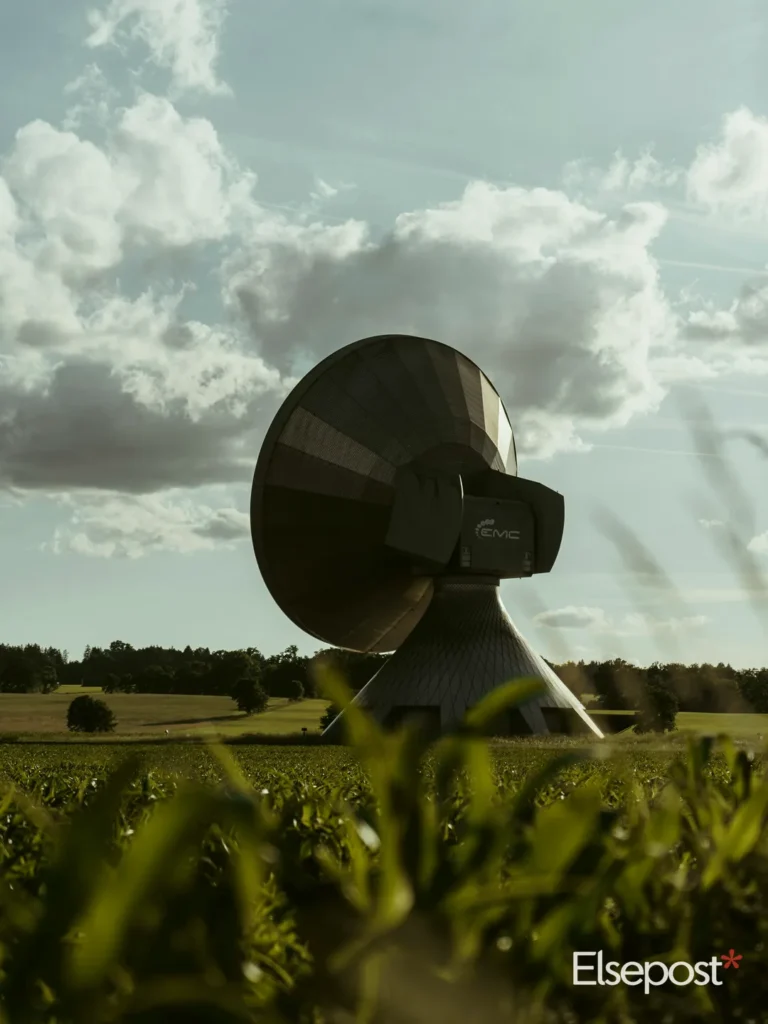
TRAI satellite to mobile is the idea that an ordinary smartphone could connect to a satellite when no mobile tower is in range. On 5 November 2026, the telecom regulator released recommendations on how India could allow it, according to IBTimes India. These are proposals, not rules, so nothing changes on your phone today.
Quick answer
- What: TRAI recommendations for direct-to-device (D2D) satellite connectivity, released on 5 November 2026.
- Status: advice only. The Department of Telecommunications (DoT) will review it and decide.
- New licence: a Satellite Communication Network (SCN) Provider Authorisation under the Telecommunications Act, 2023.
- Two routes: dedicated satellite spectrum, or the mobile bands that operators already hold.
- Who gains: people in areas with weak or no mobile coverage.
What TRAI has proposed
The core of the plan is a new licence. Also, the SCN provider authorisation would be valid for 20 years and renewable for another 20. Holders could offer network capacity to telecom operators and other eligible service providers.
However, they could not sell telecom services directly to consumers. So you would still buy your plan from an operator, not from a satellite company.
TRAI satellite to mobile: the two models
The regulator has described two ways to link a handset to a satellite. First, the Mobile Satellite Service model would use dedicated L-band and S-band satellite spectrum. It also encourages manufacturers to build satellite modules into future handsets, so older phones may not support it.
Second, the IMT-spectrum model would use bands that operators already hold. These are 600, 700, 800, 900, 1800 and 2100 MHz. They would be used on a non-interference, non-protection basis, without waiting for the WRC-27 conference. Satellite firms would then need agreements with the operators that hold the spectrum.
Fees and security conditions
The proposed fee is 8 per cent of adjusted gross revenue, with no minimum. There is also an entry fee of ₹37.5 lakh. Where the government assigns spectrum directly, the annual minimum charge would be ₹3,500 per MHz.
Security rules are part of the package. Providers would have to support lawful interception and traffic monitoring. Also, satellite traffic to or from India would need to pass through gateways located inside the country.
What it means for you
For now, the practical answer is nothing. DoT has not accepted the recommendations, and no launch date has been reported. Still, the direction is useful to know if you travel often to hills, highways or remote villages where signal drops.
Handset support will matter too. For example, a satellite module built into a phone could decide who gets coverage first. Telecom rules are shifting in other ways as well, such as the caller name display we covered earlier.
FAQ
Will my current phone work with satellites?
Possibly, under the IMT-spectrum model, because it uses operator bands. Still, the dedicated satellite spectrum model pushes for modules in future handsets. Neither is approved yet.
Can I buy a plan from a satellite company?
Not under this proposal. SCN providers could sell capacity to operators and eligible providers, but not services to consumers.
Who makes the final decision?
The Department of Telecommunications. TRAI only recommends, and DoT can accept, change or reject its advice.