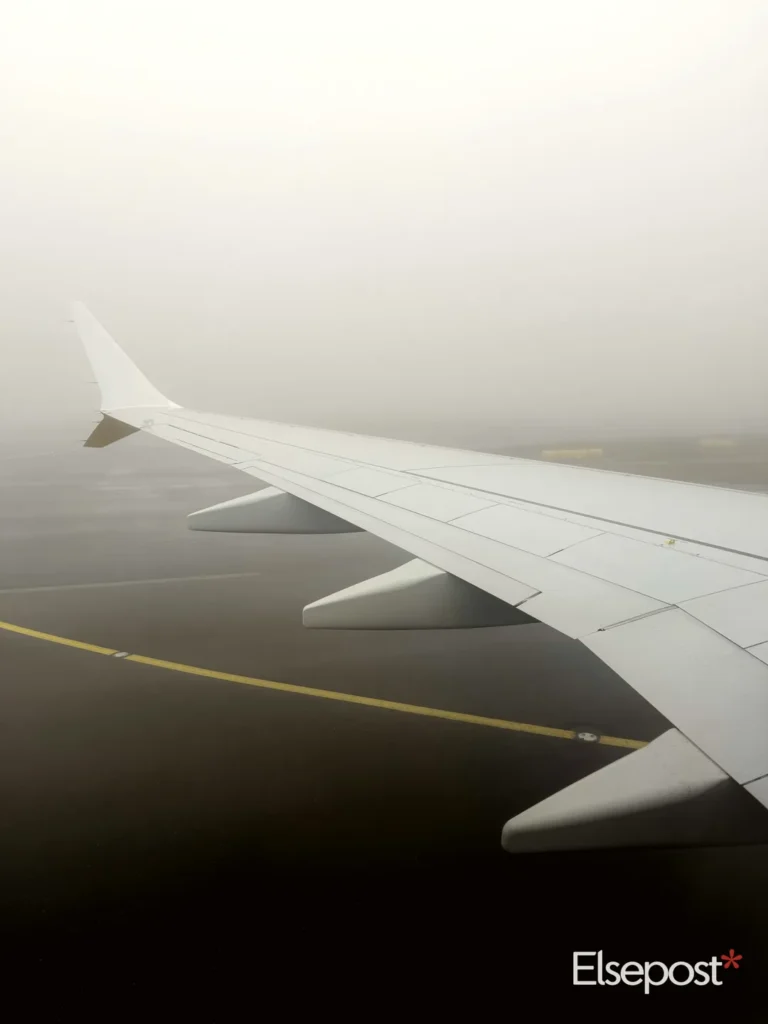
A CAT III landing is how a pilot can land an aircraft in very low visibility, yet fog still delays and cancels flights across India every winter. The reason is that a safe landing needs the airport, the aircraft, the airline and the pilots to be ready together. Here is how it works and how to protect your trip.
Quick answer
- CAT I, II and III are approach categories, and each allows a landing in lower visibility than the last.
- A CAT III landing needs a CAT III runway, a certified aircraft, an approved airline and trained pilots.
- If any one is missing, the flight must use a higher minimum, usually CAT I.
- Peak fog is late December to January, so book with buffers.
What a CAT III landing means
CAT I, II and III are instrument approach categories set by ICAO and adopted in India by the DGCA, as this explainer on fog landings notes. Each category lets a flight continue in lower cloud and visibility than the one before.
Two measures matter. The first is decision height, the point where the crew must see enough of the runway to land or go around. The second is runway visual range, or RVR, a distance measured by sensors along the runway.
CAT IIIB is the lowest category in routine use at Indian airports. Published figures differ by runway and airline approval, so treat any single number as a rough guide.
The four things that must line up
This is why two planes in the same fog can get different results. All four of these must be in place for a CAT III landing.
- Airport: a CAT III standard instrument landing system, approach and centreline lights, RVR sensors and protected areas around the system.
- Aircraft: backup systems, usually more than one autopilot and radio altimeter, with autoland certified for the category.
- Airline: a DGCA operational approval for that category on that aircraft type.
- Pilots: both crew members trained and current for CAT III.
If one item is missing, the flight is limited to a higher minimum. For example, an aircraft without the approval may have to divert or wait.
Why flights still get cancelled
A CAT III landing solves only the landing part. However, take off and taxiing have their own visibility limits. Also, low visibility procedures reduce how many planes an airport can handle each hour.
Then the knock on effects begin. A long hold can push aircraft and crew out of their planned rotations. As a result, a flight that looked fine in the morning can be cancelled in the evening.
Delhi has CAT III capability, but the runways you can use may change during maintenance or upgrades. So, read the airport operator’s fog advisories during winter.
What to do before and during fog season
- Check your flight status before leaving home, because a delay can turn into a cancellation.
- Turn on airline app alerts and keep your phone charged.
- Choose late morning or midday flights in peak fog weeks, from late December to January.
- Avoid tight connections, and avoid separate tickets for onward flights.
- Leave a buffer day before important events such as weddings or exams.
- Consider a fare that allows changes if your plan is fixed.
Also, learn when web check in opens. Our guide on web check in time for flights has the details.
If your flight is cancelled
Generally, you can choose a full refund or a free alternate flight when an airline cancels. Cash compensation is usually not payable, because weather is treated as an extraordinary circumstance. We explain the refund timelines in our guide to air ticket refund rules.
Finally, ask the airline in writing for the refund or rebooking you choose. Keep the message, because it helps if there is a dispute later.
FAQ
What is a CAT III landing?
It is an instrument approach that allows landing in very low visibility. It needs a suitable runway, a certified aircraft, an approved airline and trained pilots.
Why are flights delayed in fog if planes can land in low visibility?
Take off, taxiing and ground handling have their own limits. Also, low visibility procedures cut airport capacity, so delays build up.
Do I get compensation if fog cancels my flight?
Usually you get a refund or an alternate flight, but not cash compensation. Weather is treated as an extraordinary circumstance.