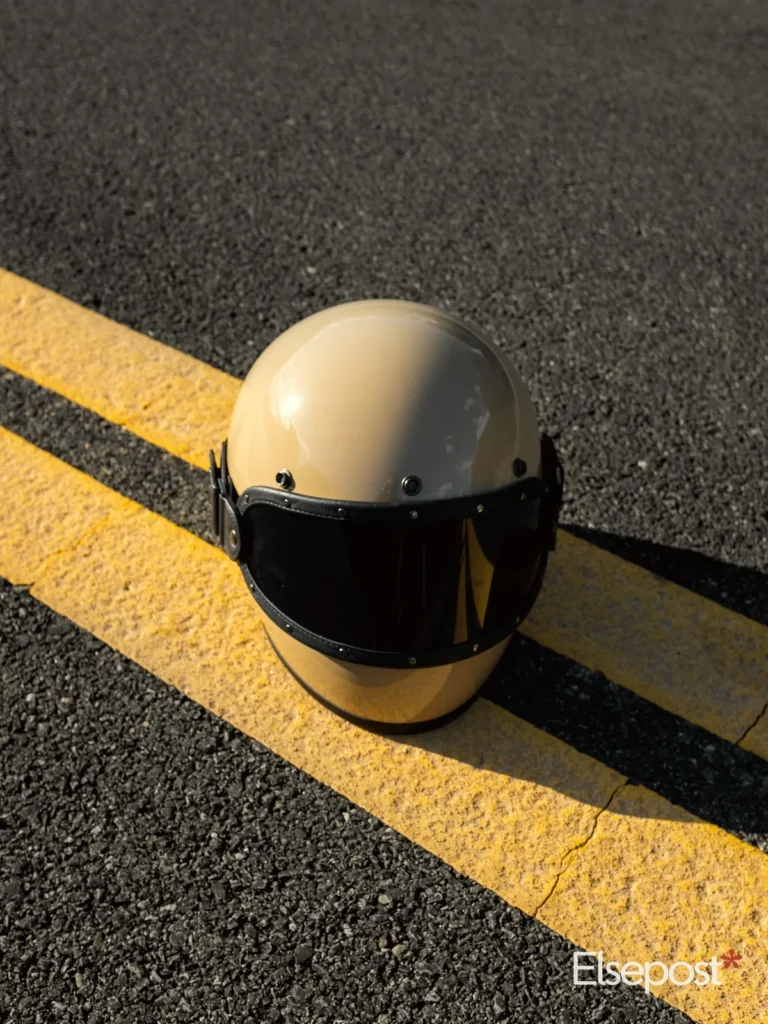
The ISI helmet rules in India are simple on paper: a two wheeler rider and the pillion both need a proper, certified helmet, fastened. In practice, many riders still buy the wrong helmet or wear it badly. This guide covers what the law says, how to spot a certified helmet and how to check the fit.
Quick answer
- Law: Section 129 of the Motor Vehicles Act covers rider and pillion
- Standard: BIS IS 4151:2015, shown by the ISI mark
- Fine: Rs 1,000 under Section 194D in many states, and some states charge less
- Licence: can be suspended for up to three months
- Strap: must be fastened, an unstrapped helmet can still draw a fine
So the choice of helmet is not only about comfort. It decides whether you are legal, and it can affect an insurance claim. Please remember that fines and enforcement differ by state, so confirm local rules with your state transport department.
What the ISI helmet rules say
Section 129 of the Motor Vehicles Act, 1988 requires protective headgear for two wheeler riders, and the rule covers the pillion too. PayBima’s summary notes that the strap must hold the helmet tight so it does not fall off in a crash. The only exemption it cites is for Sikhs wearing a turban.
Under Section 194D, riding without a helmet carries a fine of Rs 1,000 and a possible licence suspension of up to three months. Some states have changed the amount. Gujarat is reported at Rs 500 and Uttar Pradesh at up to Rs 600.
How to spot a certified helmet
Helmets sold in India must meet the BIS standard IS 4151:2015, and the proof is the ISI mark. BikeDekho’s explainer advises buying from authorised dealers and checking for an embossed ISI mark or a valid licence number.
Half helmets and cap style helmets do not meet the rules. Also check the manufacturing date, and avoid helmets with cracks or deformities. A cheap helmet with a sticker is not the same as a tested one.
Fit and strap checks before every ride
First, the helmet should feel snug without pressure points. It should not slide when you shake your head. BikeDekho’s piece says a snug fit moves only 2 to 3 mm, which is a useful rule of thumb rather than a legal test.
Next, fasten the strap every time, even for a short trip. Then check the visor for scratches, because a clear view matters more at night. Finally, make sure your pillion’s helmet fits as well as yours.
When to replace a helmet
BIS does not set a strict expiry date. However, the same BikeDekho article says helmets are commonly replaced about every three years or after a significant impact. It also mentions a five year guideline from some safety bodies.
So the safer habit is simple. Replace the helmet after any hard knock, even if it looks fine, because foam can compress where you cannot see it.
Common mistakes riders make
Carrying a helmet on the handlebar is the first mistake, because it protects nobody there. Buying a loose helmet for comfort is the second. Skipping the strap for a short ride is the third.
Also, an unfastened helmet may count as a violation, and one source warns it could complicate an insurance claim. Therefore treat the strap as part of the helmet, not an extra. For more upkeep habits, see our guides on tyre pressure and the PUC certificate.
FAQ
Is an ISI helmet mandatory in India?
Yes. Section 129 of the Motor Vehicles Act requires a helmet, and helmets sold in India must meet BIS IS 4151:2015, which is shown by the ISI mark.
What is the fine for riding without a helmet?
Under Section 194D the fine is Rs 1,000, with a possible licence suspension of up to three months. Some states charge less, so check your state’s current rule.
How often should I replace my helmet?
BIS sets no fixed expiry. Many guides suggest around three years, or straight away after a significant impact.