Gas geyser safety matters most in winter, when bathroom windows stay shut and hot-water use goes up. The core risk is carbon monoxide, a gas you cannot see or smell, which can build up when a geyser burns inside a small closed room. This guide explains where to fit one, what to check and which warning signs to take seriously.
Quick answer
- Do not fit a gas geyser inside a bathroom; a kitchen or other well-ventilated space is safer, according to Mahanagar Gas guidelines.
- Buy a BIS-certified LPG water heater and use an authorised installer.
- Keep ventilation open while it runs, and keep the rubber hose under 1.5 metres.
- Dizziness, nausea or headache while bathing is a reason to get out and into fresh air at once.
Why gas geysers become dangerous
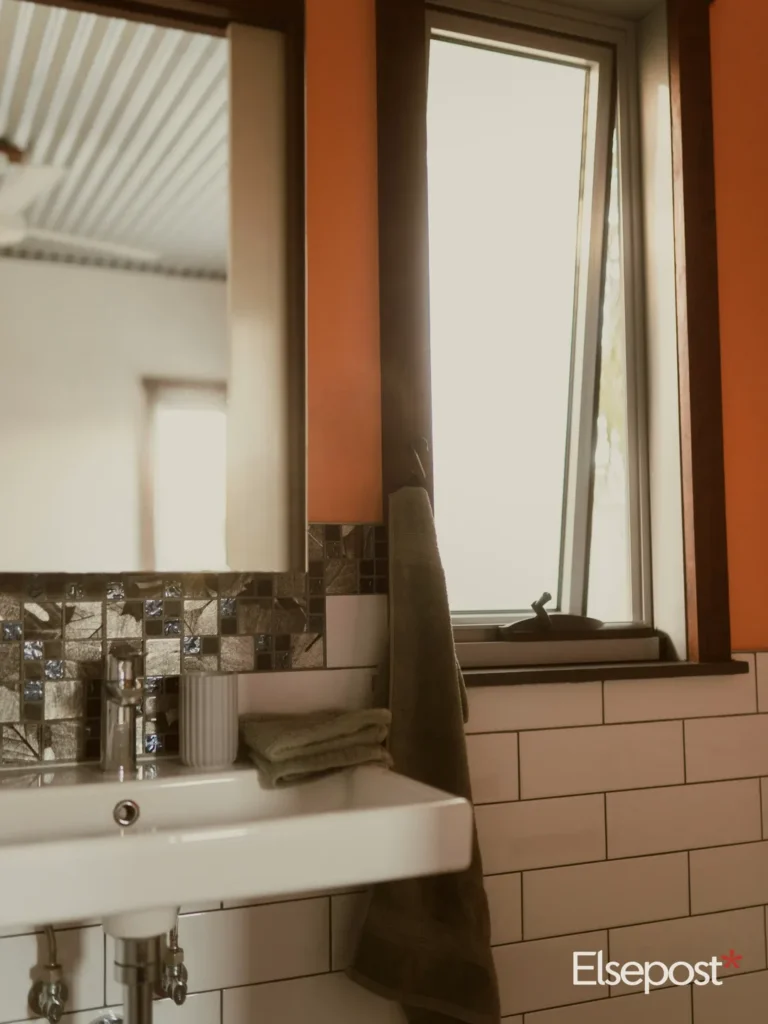
A burning flame needs oxygen. So in a small bathroom with no exhaust fan, a running geyser uses up the air, and combustion turns incomplete. Then it produces carbon monoxide, which has nowhere to go, as consumer writer Pushpa Girimaji explained in The Tribune.
Because the gas is colourless and odourless, people often do not notice. For example, low exposure can cause dizziness, nausea, headache and confusion. Higher exposure can cause breathlessness, chest pain and loss of consciousness.
Where to install a gas geyser
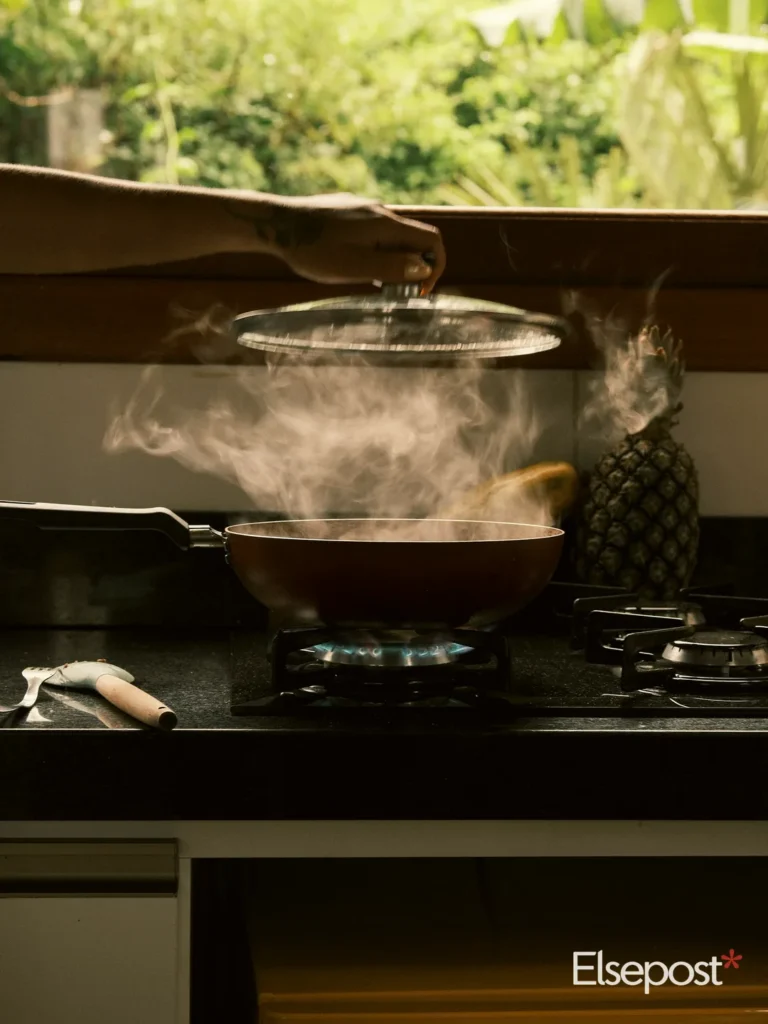
This is the most important decision, so start here. The guidelines from Mahanagar Gas say a geyser should never go in a bathroom, because fumes can collect there. The kitchen is described as the safest choice, since the gas pipe stays short and there is no bathroom suffocation risk.
However, other rooms can work only where flueing and ventilation are possible. A bedroom is acceptable only if the room volume is more than 20 cubic metres and ventilation needs are met. Then mount the geyser at a height where you can switch it off easily, and do not hide it behind a panel.
Ventilation and the gas hose
The same guidelines ask for a minimum ventilation area equal to 4 percent of the room’s floor area. In an ordinary home, gaps around doors, windows and ventilators usually provide this. However, a sealed room with a taped-up window does not.
Next, the hose: use a steel-reinforced rubber hose shorter than 1.5 metres. Still, keep it away from hot parts and make sure it does not sag. Do not run gas pipe along the whole length of the house, because joints are where leaks start.
Gas geyser safety checks before you buy
Since 2019, domestic LPG water heaters have come under a mandatory BIS quality control order, according to the Tribune piece. The standard sets limits on combustion efficiency and on the ratio of carbon monoxide to carbon dioxide in exhaust. It also requires that the burner to shut off after 20 minutes of continuous use, and a safety device that cuts gas if water flow stops.
So check these points on your own geyser:
- The BIS licence mark and a visible ventilation warning on the product or box.
- A flame failure device, which cuts gas if the flame goes out.
- An overheat cut-off and, ideally, an oxygen or carbon monoxide sensor.
- No old, unmarked or second-hand unit of unknown quality.
Notably, the Tribune article points out that the standard does not require a carbon monoxide sensor or a CO-triggered cut-off. Therefore, if you are buying new, look for a model that includes one. Many families also consider an electric or solar water heater instead, which removes the combustion risk. Our guide to the BEE star label for geysers helps you compare electric options.
Good habits while using it
First, open a window or switch on the exhaust fan before you light the geyser. Second, avoid long, closed-door showers while a gas unit runs, and do not sit in a closed bathroom for extended periods. Third, have the unit and connections serviced by an authorised person, and never repair a gas connection yourself.
Also treat any smell of gas as an emergency. Our guide on what to do in an LPG gas leak explains the steps. Remember that carbon monoxide has no smell, so a lack of smell does not mean the room is safe.
If you feel unwell while bathing
So leave the bathroom immediately and get into fresh air, with the door and windows open. Switch off the geyser if you can do so without staying in the room. Then seek medical help, because carbon monoxide exposure can worsen after you step away. This is general safety information, not medical advice.
FAQ
Is it safe to fit a gas geyser inside the bathroom?
Mahanagar Gas guidelines say a geyser should never be installed in a bathroom, because fumes can accumulate. A kitchen is described as the safest location.
Do gas geysers in India need a BIS mark?
Yes, because domestic LPG water heaters have been under a mandatory BIS quality control order since 2019, as reported by The Tribune. Look for the certification on the product.
What are the symptoms of carbon monoxide exposure?
Dizziness, nausea, headache and confusion at low levels, and breathlessness, chest pain or fainting at higher levels. Move to fresh air and get medical help.