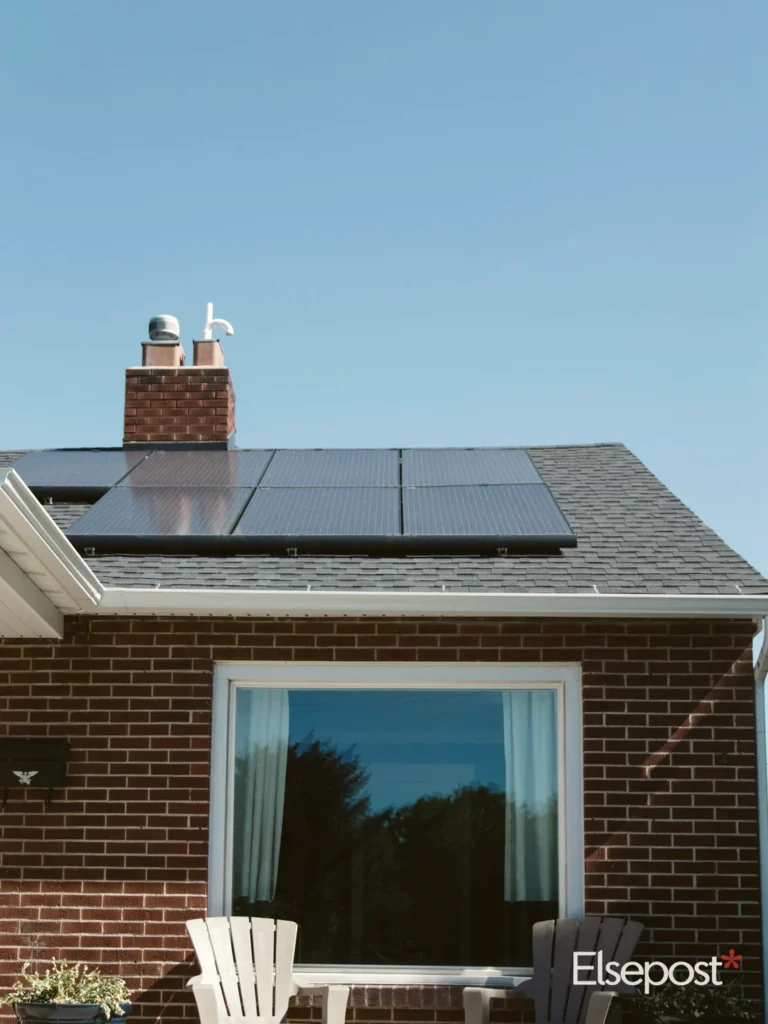
The PM Surya Ghar subsidy can cover up to ₹78,000 of the cost of a rooftop solar plant at a home. The scheme targets one crore households and promises free electricity of up to 300 units a month.
Quick answer
- Subsidy: 60% of the unit cost up to 2 kW, then 40% of the additional cost from 2 to 3 kW.
- Cap: support stops at 3 kW. The 2024 benchmark is ₹30,000 for 1 kW, ₹60,000 for 2 kW and ₹78,000 for 3 kW or more.
- Eligible: Indian citizen, own a house with a suitable roof, valid electricity connection, no earlier solar subsidy.
- Apply: register on pmsuryaghar.gov.in and choose your state and distribution company.
- Payout: within 30 days of the commissioning certificate and bank details.
What the PM Surya Ghar scheme is
The Cabinet approved the scheme on 29 February 2024, and it has an outlay of ₹75,021 crore. According to the India.gov.in scheme page, it runs through FY 2026-27. Also, electricity distribution companies act as the state implementation agencies.
The idea is simple. First, you install solar panels on your roof, use the power at home, and sell the extra to the grid. So your bill drops, and the subsidy lowers the upfront cost.
How much PM Surya Ghar subsidy you get
The subsidy is a share of the benchmark cost, not a flat grant. Up to 2 kW, it is 60% of the solar unit cost. Between 2 and 3 kW, it is 40% of the additional cost. Support is capped at 3 kW.
| System size | Subsidy at 2024 benchmark |
|---|---|
| 1 kW | ₹30,000 |
| 2 kW | ₹60,000 |
| 3 kW or more | ₹78,000 |
These numbers come from the 2024 launch material. However, benchmark prices can change, so confirm the current figure on the portal before you commit.
Who is eligible
- You must be an Indian citizen.
- You must own a house with a roof suitable for solar panels.
- The household also needs a valid electricity connection.
- Finally, the household must not have claimed any other solar subsidy.
Renters and flat owners without roof rights usually cannot qualify, because the roof has to be yours. If you share a building, then check first with your society.
Step by step: how to apply
The Press Information Bureau lays out the flow in its official release. First, register on the national portal and choose your state and electricity distribution company. Next, log in and apply for rooftop solar once feasibility approval comes through.
- Pick a registered vendor and get the system installed.
- Submit the plant details and apply for a net meter.
- Wait for the inspection and the commissioning certificate.
- Submit your bank details and a cancelled cheque.
The subsidy is then paid within 30 days, but only after commissioning. Because the vendor does the installation, ask for a clear quote that shows the system size and brand before you sign.
Loans and savings
However, the release also mentions collateral-free loans for systems up to 3 kW. The rate at the time was about 7%, set 0.5% above the RBI repo rate, so it may differ today. So ask your bank for the current rate.
The release estimates savings of about ₹15,000 a year for a household using up to 300 units a month with a 3 kW system. Still, your result depends on your usage, sunlight and tariff. To judge your own bill, our guide to the room heater electricity bill shows how to read units and cost.
Mistakes to avoid
- Buying panels before registering and getting approval, which can put your subsidy at risk.
- Choosing a vendor who is not registered on the portal.
- Oversizing the system, since support stops at 3 kW.
- Skipping the net meter step, because the subsidy depends on commissioning.
FAQ
How much subsidy do I get under PM Surya Ghar?
You get 60% of the unit cost up to 2 kW and 40% of the additional cost from 2 to 3 kW. At 2024 benchmarks, that is up to ₹78,000.
Who can apply for PM Surya Ghar?
Indian citizens who own a house with a suitable roof and have a valid electricity connection can apply. They must not have claimed another solar subsidy.
How long does the subsidy take to arrive?
The release says it is paid within 30 days after you submit your bank details, once the commissioning certificate is issued.