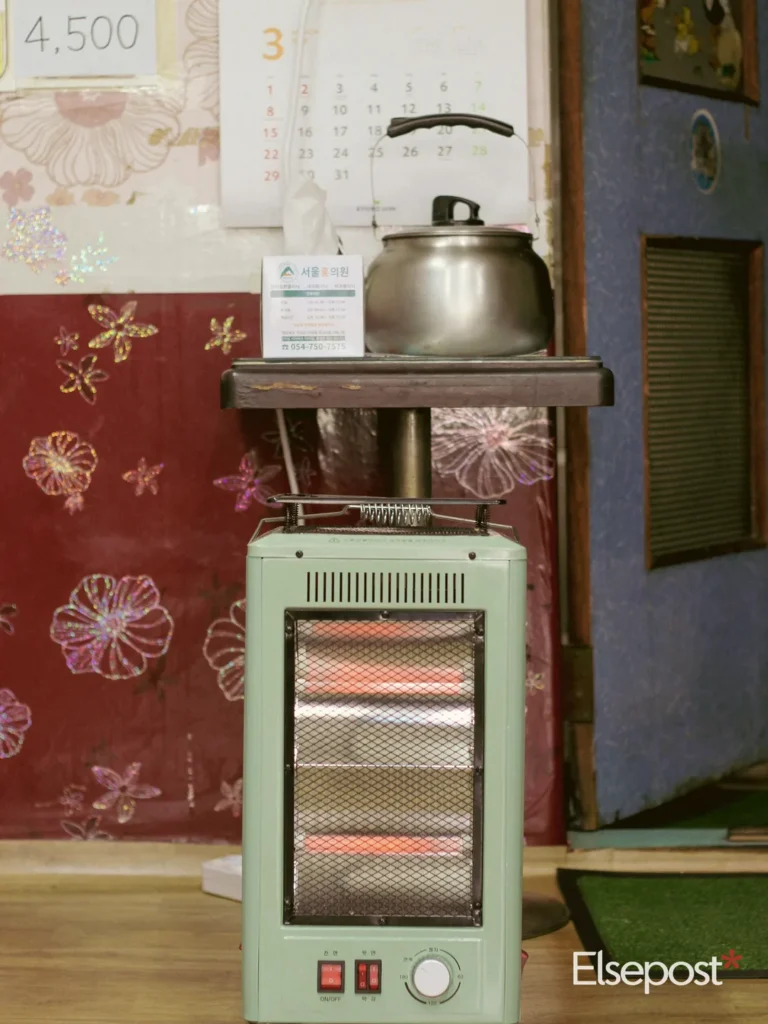
You can work out your room heater electricity bill with one simple formula, long before the winter bill arrives. Multiply the heater’s wattage by the hours you run it, divide by 1,000, and you have the units used. So here is how to estimate the cost, and how to keep it down.
Quick answer
- Units (kWh) = watts x hours per day x days, divided by 1,000.
- One unit is 1,000 watts running for one hour, as the Bureau of Energy Efficiency defines it.
- Cost = units x your per-unit rate, which is on your electricity bill.
- A 1,000 W heater used 4 hours a day for 30 days uses 120 units.
How to estimate your room heater electricity bill
Start with the heater’s rating plate or box. It lists the power in watts, such as 800, 1,000, 1,500 or 2,000. The Bureau of Energy Efficiency explains that a kilowatt-hour is the energy used by 1,000 watts in one hour, and your bill counts that as one unit.
Next, apply the formula. For example, take a 1,500 W heater run for 3 hours every day for 30 days. That is 1,500 x 3 x 30 = 135,000, and dividing by 1,000 gives 135 units.
Then multiply by your tariff. If your rate were Rs 6 a unit, 135 units would add Rs 810 to the month. Your own rate will differ, because it depends on your state and your slab.
A quick table for common wattages
The table assumes 4 hours of use a day for 30 days and a sample rate of Rs 6 a unit.
| Heater power | Units a month | Cost at sample rate |
|---|---|---|
| 800 W | 96 | Rs 576 |
| 1,000 W | 120 | Rs 720 |
| 1,500 W | 180 | Rs 1,080 |
| 2,000 W | 240 | Rs 1,440 |
These are upper estimates. However, many heaters have a thermostat that switches the element off once the room is warm. So real use may be lower than the full wattage times the hours.
Why your bill may jump more than expected
Many states charge a higher rate as consumption crosses a slab. Because of this, extra heater units can cost more than your average rate. Look at the slab table on your bill, then add your heater units to your usual monthly figure.
Also remember other winter loads. A geyser draws far more power than a heater, so read our guide on the BEE star rating label on geysers before you buy or replace one.
Ways to cut heater use
First, heat only the room you use, and keep the door and windows shut. Next, run the heater for a short time before you settle in, then switch it off. Then add a blanket or a rug, which keeps warmth in without any power.
Also, choose the wattage to match the room. A small bedroom rarely needs 2,000 W. Meanwhile, if the air feels dry or stale, a heater that burns fuel is not a safe substitute, so keep electric models and ventilate. If air quality worries you, see how to pick an air purifier by CADR and room size.
Finally, use a proper socket and avoid thin extension cords. High-wattage heaters heat the wire, so plug them straight into a wall socket rated for the load.
Check your estimate against the meter
Note your meter reading before you start the heater for a day. Then note it again after you switch it off. The difference in units, ideally with other appliances off, shows the real figure. For a smart meter, the app may show the daily units.
FAQ
How many units does a 1000 watt heater use in an hour?
One unit. A 1,000 W appliance running for one hour uses 1 kilowatt-hour, which your bill counts as one unit.
Does an oil-filled heater use less electricity?
Not by itself. Electricity use depends on the wattage and the hours. Some oil-filled models hold heat longer, so they may cycle off more, but compare the wattage first.
How do I find my electricity rate per unit?
Look at the tariff section of your bill or your state electricity board’s website. Rates vary by state and by slab.
The unit definition is from the Bureau of Energy Efficiency.