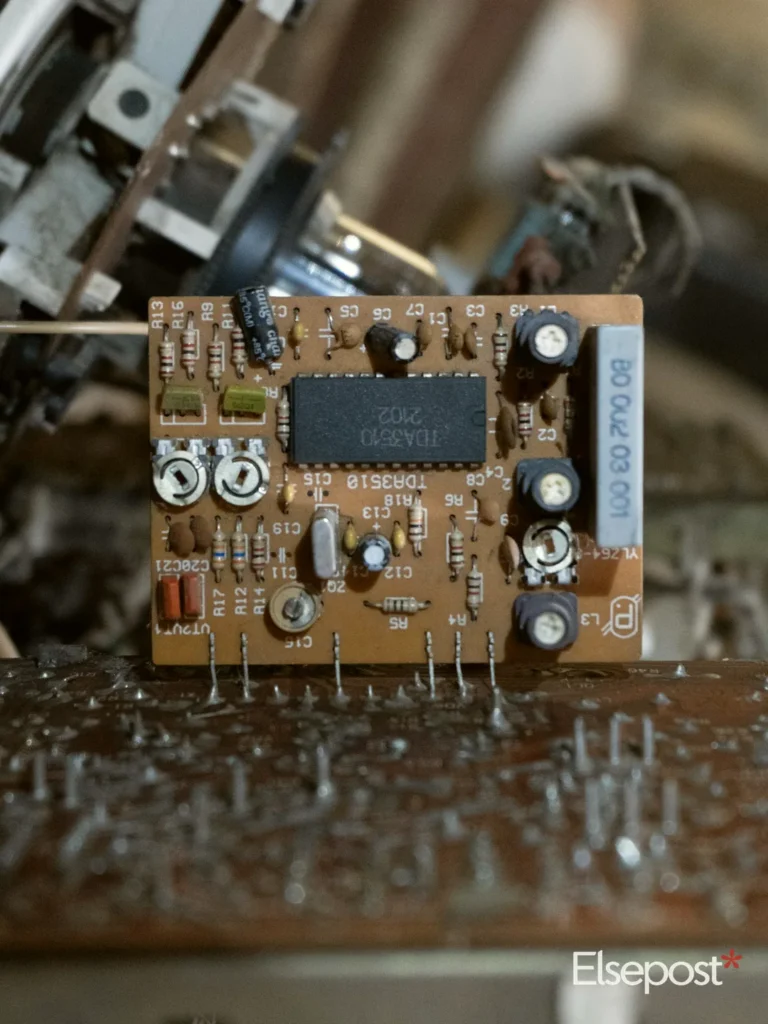
If you want to dispose old electronics in India the right way, start by knowing that the law has changed in recent years. Also, the E-Waste (Management) Rules 2022 came into force on 1 April 2023 and cover far more gadgets than before. So, this guide explains what the rules mean for a household with a drawer full of dead chargers, phones and routers.
Quick answer
- Rules: E-Waste (Management) Rules 2022, in force from 1 April 2023.
- Coverage: more than 100 types of electrical and electronic equipment, up from 21.
- Who must register: producers, refurbishers and recyclers, on the CPCB online portal.
- What you can do: hand old devices to a registered recycler, refurbisher or the producer’s take back route.
- Before you hand anything over: wipe your data and remove SIM and memory cards.
What the e-waste rules cover
The older 2016 rules named 21 types of equipment. According to a Khaitan and Co. analysis on Legal 500, the 2022 rules extend that to more than 100 types. Examples include tablets, GPS devices, modems, electronic storage devices and air purifiers. Solar panels and cells are also now part of the definition.
So, most things with a plug or a battery in a home fall under the idea of e-waste. Still, that includes old phones, laptops, chargers, routers and small appliances.
Who is responsible for what
The rules put the main burden on producers. Under extended producer responsibility, or EPR, a producer must meet yearly recycling targets. Then, it does this by buying EPR certificates from registered recyclers, and the certificates reflect how much e-waste a recycler actually processes.
Refurbishers can also earn refurbishing certificates. In fact, these let a producer defer part of its liability while a device gets a longer life. Meanwhile, all these players must register on the CPCB portal, which replaced the older authorisation system.
The same analysis says the obligations do not apply to ordinary consumers, collection centres, dealers or e-retailers. Still, they can partner with producers. For you, this means no penalty for a drawer of gadgets, but you should pick the right channel when you part with them.
How to dispose old electronics in India, step by step
- Check if it can be reused. A working phone or router may be worth handing to a refurbisher or someone who needs it.
- Back up and wipe. Copy photos and files first. Then sign out of your accounts and reset the device to factory settings.
- Remove personal items. Take out the SIM card, memory card and any case.
- Ask the brand or seller. Find out whether the producer or the shop runs a take back or exchange programme for old devices.
- Use a registered recycler. If you go to an independent collector, ask if the recycler is registered. The rules say regulated entities cannot deal with unregistered ones, so a genuine operator can answer this.
- Keep proof. A receipt or acknowledgement is useful if you hand over a large lot.
What to avoid
Do not give old gadgets to a scrap dealer who burns or breaks them open. Circuit boards and batteries contain materials that are harmful when burned or dumped. Also, avoid putting batteries in the regular household bin, because damaged cells can catch fire in a garbage truck.
Likewise, do not hand over a device without wiping it. A phone that looks dead can still hold messages, photos and saved logins. If a screen is broken, a factory reset through the buttons or a service centre still works in many cases.
After Diwali: why now is a good time
Festival season brings new purchases, and old devices pile up. Some shops run exchange offers at this time, so you may be able to return the old item when you buy the new one. Ask about it at the counter before the box is opened.
Smaller items count too. Tangled chargers, broken earphones and dead remote controls are all e-waste. Put them in one box and take them together to a registered collection point.
Bulk users and offices
Offices and shops face a lighter rulebook than before. Therefore, the analysis says the 2016 record keeping and annual return duties for bulk consumers are no longer required. Their duty is now to pass e-waste to registered producers, refurbishers or recyclers.
For a small business, this means a simple rule: always deal with a registered party. Also, keep the receipts, as they show where the equipment went. So, you can read the full legal analysis in the Legal 500 note on the 2022 rules.
If you are buying new electronics, a quick check of the BIS Care app and the ISI mark helps you buy safer products. That is also one way to keep today’s purchases out of tomorrow’s drawer.
FAQ
Is it illegal to throw old gadgets in the household bin?
The 2022 rules mainly regulate producers, recyclers and refurbishers rather than households. Even so, dumping e-waste in the bin is harmful and wasteful, so hand it to a registered channel instead.
What counts as e-waste?
The 2022 rules cover more than 100 types of equipment. Still, these include tablets, modems, GPS devices, storage devices and air purifiers, along with the usual phones and laptops.
How do I know a recycler is registered?
All producers, refurbishers and recyclers must register on the CPCB online portal. Ask the recycler for its registration details before you hand anything over.