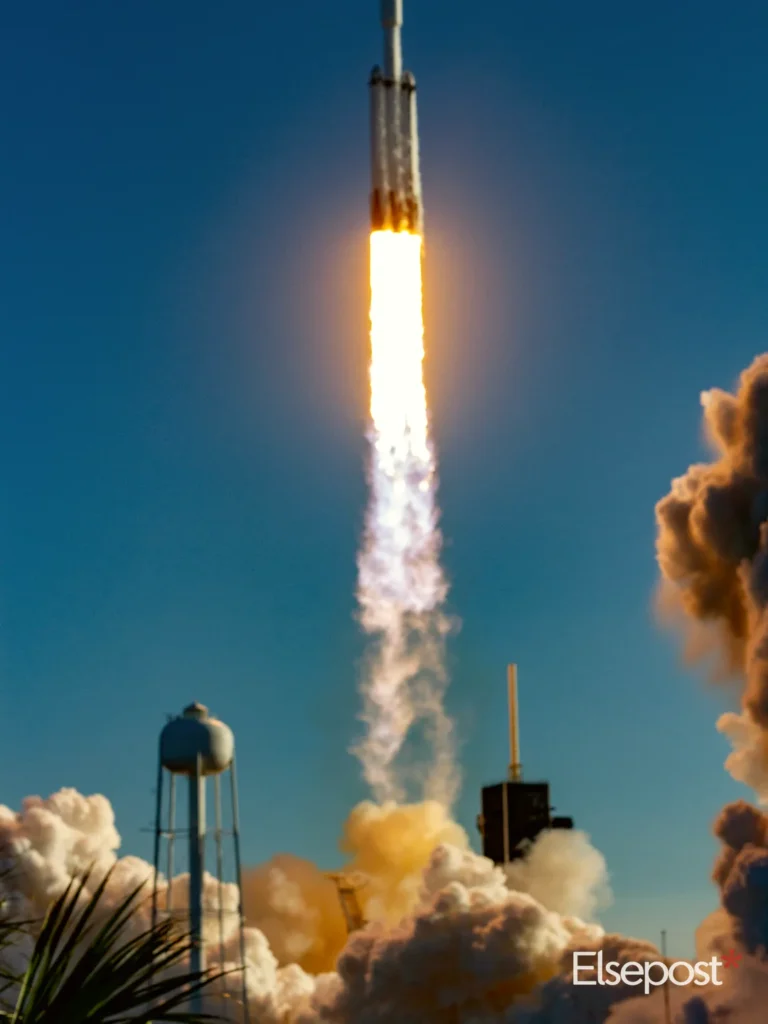
The NavIC satellite launch on 30 October gives India’s home grown navigation system a much needed boost. ISRO sent the NVS-03 satellite to orbit on a GSLV rocket from Sriharikota at 11:51 pm IST. According to Space.com, ISRO confirmed the planned orbit about 30 minutes after liftoff.
Quick answer
- Satellite: NVS-03, the third of ISRO’s next generation NavIC satellites.
- Launch: 30 October 2026, 11:51 pm IST, Satish Dhawan Space Centre, Sriharikota.
- Orbit: geosynchronous transfer orbit, as planned.
- Why it matters: NavIC had only three working satellites, and standalone positioning needs four.
- Next step: commissioning and checkout before the satellite goes into service.
What happened on launch night
The GSLV rocket carried NVS-03 into geosynchronous transfer orbit. Space.com reports that the satellite will now go through commissioning and checkout. In other words, it is not serving users yet.
NVS-03 is part of the newer NavIC series. It carries an indigenous atomic clock along with procured atomic clocks, according to India TV News. It also adds the L1 signal to the existing L5 and S-band signals.
Why NavIC needed this satellite
NavIC is India’s regional navigation system, built to give position and timing data over India and the area around it. ISRO describes it as a system designed to provide accurate Position, Navigation and Timing service. The signal is meant to cover the Indian landmass and a region about 1,500 km beyond its borders.
However, the constellation has had setbacks. A July 2026 government statement in Parliament, as cited by India TV News, said only three satellites were providing these services before this launch. Basic standalone positioning needs four, so NVS-03 is expected to help restore that minimum. Timing services have continued to work.
What the NavIC satellite launch changes for phone users
For most people, nothing changes today. Your phone still relies mainly on global systems such as GPS for the blue dot on the map. NavIC support also depends on the chip inside your handset.
Still, the new L1 signal matters. India TV News notes that compatible phones and receivers may work better with NavIC because of it, and that more than 60 handset models are associated with NavIC applications. That is an expectation rather than a confirmed result, so wait for ISRO to announce the satellite as operational.
The bigger gains are likely outside phones. The same report points to railways, with over 10,400 locomotives, fishing boats, road transport and disaster management as areas that use NavIC.
What to watch next
First, look for an ISRO update once commissioning ends. Next, watch whether the constellation is declared able to give standalone positioning again. Meanwhile, keep using your phone’s usual location settings, because nothing needs to be switched on or changed.
If you are following India’s push for its own technology, our report on the 2028 goal for an Indian phone brand covers another piece of that story. You can read more details of the launch in the Space.com launch report.
FAQ
What is NVS-03?
NVS-03 is the third satellite in ISRO’s next generation navigation series for NavIC. It carries atomic clocks and adds an L1 signal. It will be tested in orbit before it enters service.
Does NavIC replace GPS on my phone?
No. NavIC is a regional system for India and nearby areas, while GPS covers the globe. Phones that support both can use signals from each, depending on the chip.
When will NVS-03 start working?
ISRO has not given a date. The satellite must first complete commissioning and checkout, so keep an eye on official ISRO announcements.