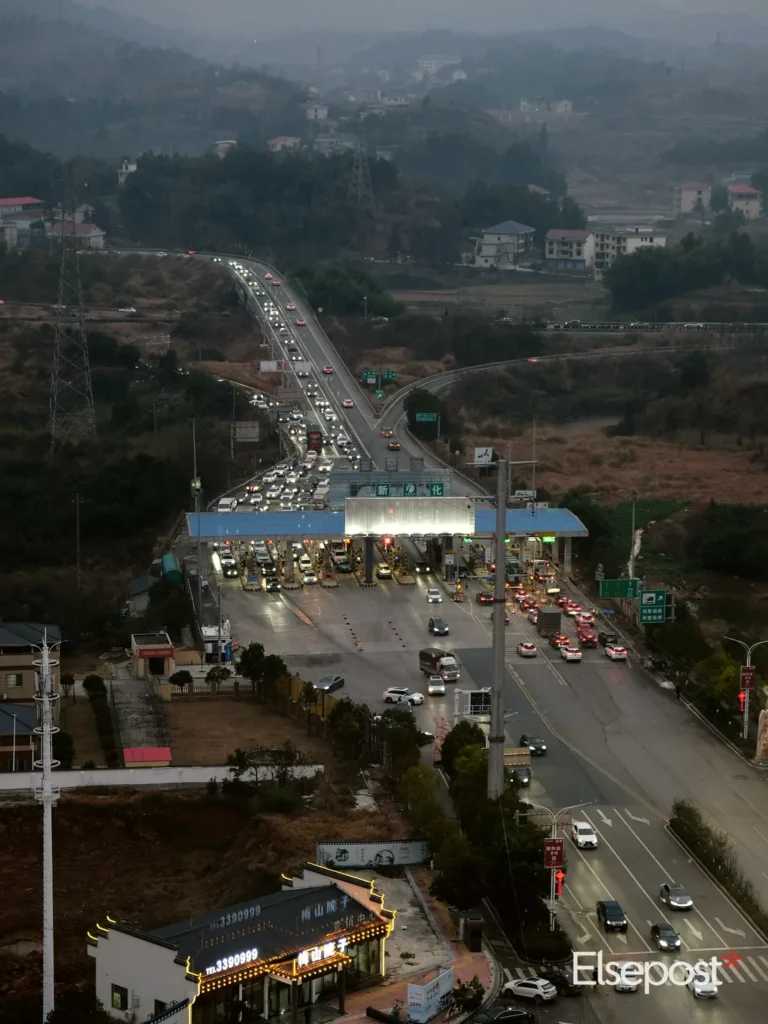
Barrier free tolling India is no longer only a plan. Tamil Nadu’s first barrier-free toll system at Paranur became operational on 30 September, as reported from the road ministry’s 1 October release. Vehicles do not stop at a booth, so here is how it works for you as a driver.
Quick answer
- The system is called multi lane free flow, or MLFF.
- A FASTag on the windscreen is read as you drive through.
- Cameras capture the number plate, and the toll is deducted from your FASTag balance.
- Keep a valid FASTag with enough balance to avoid notices.
- No penalty amount has been published in the reports we checked.
How barrier free tolling India drivers will meet works
In MLFF, there is no stop at a plaza. According to Construction World’s report on the launch, a reader picks up the FASTag on the windscreen as the vehicle passes. Cameras then capture the number plate to match it with the vehicle. Finally, the toll is deducted from the FASTag balance.
DT Next describes the same setup in more technical terms. RFID readers linked to FASTag accounts work with AI-powered number plate cameras, which are known as ANPR. The system verifies the data in real time. As a result, the toll is taken from the linked account automatically.
What happens if the FASTag does not read
The cameras act as a backup. DT Next says ANPR serves when FASTag detection fails. On access-controlled highways, tolls may be calculated from entry and exit points, based on the distance travelled.
Still, do not rely on the backup. The launch report says drivers must keep a valid FASTag with enough balance to avoid electronic notices or payment-related action. However, it gives no penalty amount and does not describe how enforcement works. So treat any figure you see on social media with caution until the road ministry publishes one.
Why NHAI is doing this
NHAI says the system should cut journey time, fuel use and emissions, since vehicles avoid repeated stops. It also aims to reduce manual handling, improve transparency and lower operating costs compared with conventional plazas.
Where else is MLFF running
Paranur is not alone. The same report lists other barrier-free locations: Chorayasi on the Surat Bharuch section of NH-48 in Gujarat, Mundka Bakkarwala on UER-II in Delhi, and Shahjahanpur, Daulatpura and Manoharpura on the Delhi Jaipur section of NH-48 in Rajasthan. Gharaunda on the Panipat Jalandhar section of NH-44 in Haryana is on the list too.
DT Next adds that a second phase would extend the system to 36 fee plazas nationwide. However, no date is given, so do not expect it on every highway this winter.
A quick checklist before a highway trip
- Check that your FASTag is active and linked to the right vehicle.
- Keep enough balance, because the toll is deducted automatically as you pass.
- Make sure the tag is fixed on the windscreen, not kept loose in the car.
- Keep your number plate clean and readable, since cameras match it.
- Read the signs on approach, because a plaza may be barrier-free or conventional.
If you use the annual pass, our guide to the FASTag annual pass explains what counts as a trip. For long drives, the toll plaza facilities guidelines are also worth a read.
FAQ
What is MLFF tolling?
MLFF means multi lane free flow. Vehicles pass at normal highway speed while readers and cameras identify them, and the toll is deducted automatically.
Do I need a FASTag for barrier free tolling?
Yes. The reports say drivers must keep a valid FASTag with enough balance. Cameras act as a backup, but they do not replace the tag.
Is there a fine for not paying at a barrier free toll?
The reports mention electronic notices or payment-related action but give no amount. Check the road ministry or NHAI for official penalty rules.