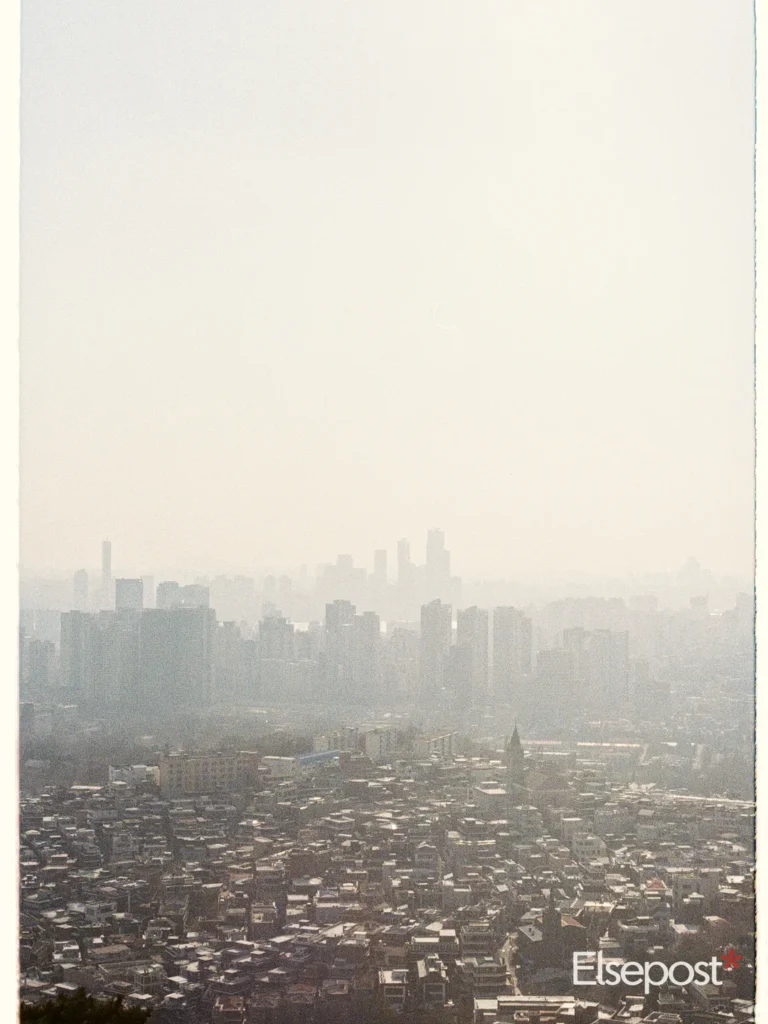
The AQI categories India uses run from Good to Severe, and each band has a number range set by the Central Pollution Control Board. Knowing the bands helps you read the daily number and decide what to do about it. Also, this guide explains the six levels, what goes into the index and how to use it in everyday life.
Quick answer
- Good: 0 to 50.
- Satisfactory: 51 to 100.
- Moderately polluted: 101 to 200.
- Poor: 201 to 300.
- Very poor: 301 to 400.
- Severe: 401 to 500.
What the National AQI is
The National Air Quality Index was launched on 17 October 2014, as the Arthapedia reference page explains. So, it was formulated under the Swachh Bharat Mission, based on recommendations from IIT Kanpur and an expert group. The index turns many pollution readings into one number, so people can read it quickly.
Eight pollutants feed into it: PM10, PM2.5, nitrogen dioxide, sulphur dioxide, carbon monoxide, ozone, ammonia and lead. Still, the final number reflects the pollutant that is worst at that time and place.
AQI categories India uses, level by level
| Category | AQI range | What CPCB says |
|---|---|---|
| Good | 0 to 50 | Minimal impact |
| Satisfactory | 51 to 100 | Minor breathing discomfort possible for sensitive people |
| Moderately polluted | 101 to 200 | Discomfort for people with asthma, lung or heart disease, children and older adults |
| Poor | 201 to 300 | Breathing discomfort on prolonged exposure |
| Very poor | 301 to 400 | Possible respiratory illness on prolonged exposure, stronger in people with lung or heart disease |
| Severe | 401 to 500 | Effects even in healthy people, serious for those with existing disease |
These descriptions are paraphrased from CPCB’s health impact statements. Then, they are general guidance and not medical advice. If you have a health condition, speak to your doctor about air pollution days.
How to read the number in daily life
First, look at the category and not only the figure. In fact, a reading of 190 and one of 210 are close, yet they sit in different bands. Then check whether the number is a live reading or a daily average, because the two can differ a lot.
Also remember that AQI varies by place. One station near a busy road can read worse than another a few kilometres away. So use the monitoring station closest to your home or office.
Simple habits that match the bands
Choose habits that fit the level, and keep them practical. Therefore, these are everyday ideas, not health instructions.
- Good and Satisfactory: open the windows for fresh air and plan outdoor time as usual.
- Moderately polluted: keep an eye on the number if you exercise outdoors, and think about shifting a run to a cleaner hour.
- Poor and above: cut down long outdoor activity, keep windows closed when the reading is high, and use an air purifier indoors if you have one.
If you own a purifier, make sure it suits your room. Our guide to matching air purifier CADR to room size explains how.
Why the number changes through the day
Cooler weather and still air keep pollutants close to the ground. Because of this, many cities see higher readings in the early morning and late evening in winter. Traffic, construction dust and festival fireworks add to the load. Wind and rain often clean the air.
That is why an app can show a very different number at 7 am and at 3 pm. Also, check more than once before you plan an outdoor activity.
Where to find reliable readings
Use the official CPCB figures and the apps that draw on them. Private sensors and apps may show slightly different numbers, since they use other methods. Treat any single reading as a guide, and look at the trend across a few hours.
The index and its bands are described in the Arthapedia note on the National AQI. For festival season safety at home, see our piece on Diwali lights that are safer and cheaper to run.
FAQ
What is a good AQI in India?
A reading from 0 to 50 is Good under the National AQI. So, a reading from 51 to 100 is Satisfactory.
What AQI is considered severe?
Severe starts at 401 and runs to 500. CPCB says effects can appear even in healthy people at this level.
Which pollutants are in the AQI?
Eight: PM10, PM2.5, NO2, SO2, CO, ozone, ammonia and lead. Still, the index reflects the pollutant that is highest at that moment.