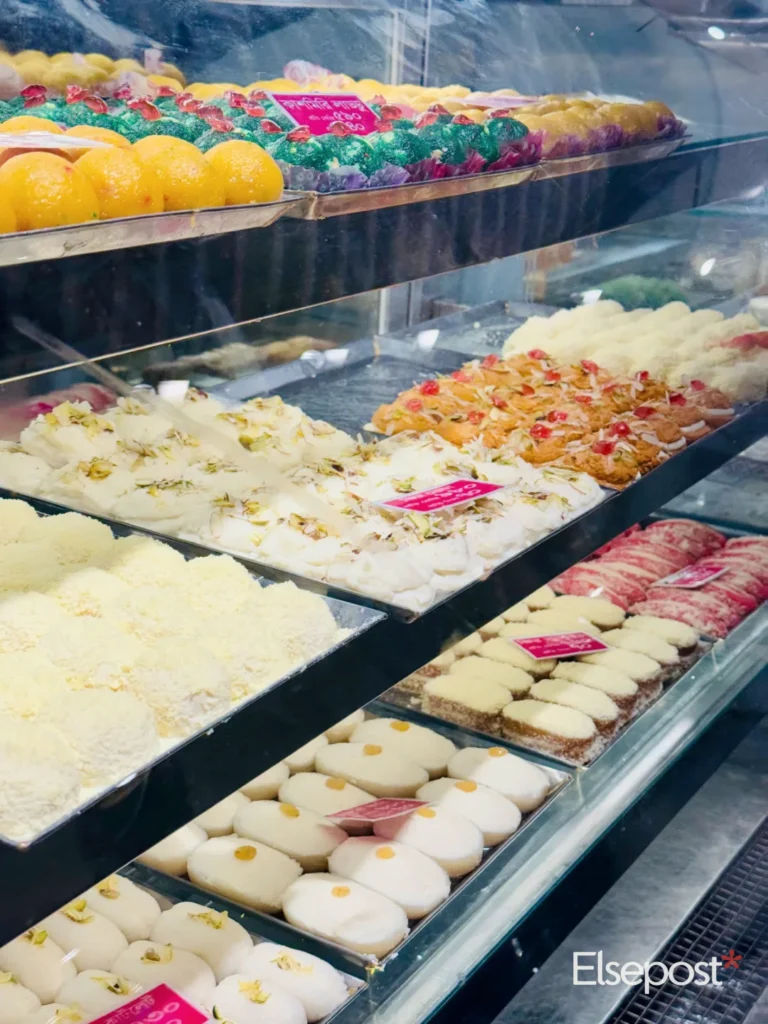
The best before date on sweets is not optional, even for loose mithai from your neighbourhood shop. FSSAI’s order covers every sweet maker in India, so it is worth knowing before you fill a Diwali box. The rule has applied since 1 October 2020.
Quick answer
- Loose sweets must show a best before date on the container or tray at the counter
- The rule covers all sweet makers, including shops that make sweets in-house
- A manufacturing date is voluntary
- Shelf lives suggested by FSSAI range from the same day to one month
What the FSSAI rule actually says
According to Business Today’s report on the order, the tray holding sweets for sale should display the best before date. This applies to non-packaged sweets too. Shops that make sweets on their own premises are included.
The date of manufacture is different. FSSAI says displaying it is voluntary. So a shop that shows only the best before date is following the rule.
How long should different sweets last?
Shops decide their own dates, but FSSAI’s guidance note on traditional milk products gives indicative shelf lives. These are a useful check on whether a date looks sensible.
| Sweet type | Suggested shelf life |
|---|---|
| Kalakand and its variants | Same day |
| Bengali sweets such as rasgulla and sandesh | 2 days, refrigerated |
| Peda, milk cake, motichoor modak | 4 days |
| Kaju katli, ghewar, besan burfi | 7 days |
| Chikki, sohan halwa, chana burfi | 1 month |
What to check before you buy
First, look for the date on the tray, not just the price card. Then compare it with the table above. For example, a milk sweet marked for a week deserves a question.
Also think about timing. If you buy for a gathering two days later, ask when the batch was made. Because mithai is perishable, a short shelf life is normal, not a warning sign.
If a shop shows no date at all, you can raise a complaint. FSSAI lists several channels on its grievance page, including its Food Safety Connect system.
FAQ
Is it mandatory to display a best before date on sweets?
Yes, for sweets sold loose. FSSAI requires the date on the container or tray at the outlet. It applies to all sweet makers.
Do sweet shops have to show the manufacturing date?
No. FSSAI says showing the date of manufacture is purely voluntary. The best before date is the required one.
How long does kaju katli last?
FSSAI’s guidance note suggests about 7 days for kaju katli. Kalakand is much shorter, at the same day.